Bữa ăn lành mạnh trông như thế nào?
Từ nguyên tắc chung đến bếp Việt, nhãn thực phẩm và vận động.
30 bài · 9 khối kiến thức · Làm sao để ăn uống lành mạnh?Các khối kiến thức trong chặng

Nguyên tắc và mẫu ăn
0/4 bài- Ăn uống lành mạnh bắt đầu từ đâu?
- Điểm chung và khác biệt giữa các chế độ ăn lành mạnh phổ biến
- Làm sao áp dụng các chế độ ăn quốc tế vào bữa cơm gia đình Việt?
- Tự nấu ăn ở nhà: lợi ích và mẹo tiết kiệm thời gian
Kiểm tra cả khối5 câu tổng hợp từ 4 bài
Bạn đã nắm khối “Nguyên tắc và mẫu ăn”?
Đọc giải thích và đối chiếu nguồn sau mỗi câu. Câu hỏi tự đánh giá không chấm điểm sức khỏe.
Câu 1/5
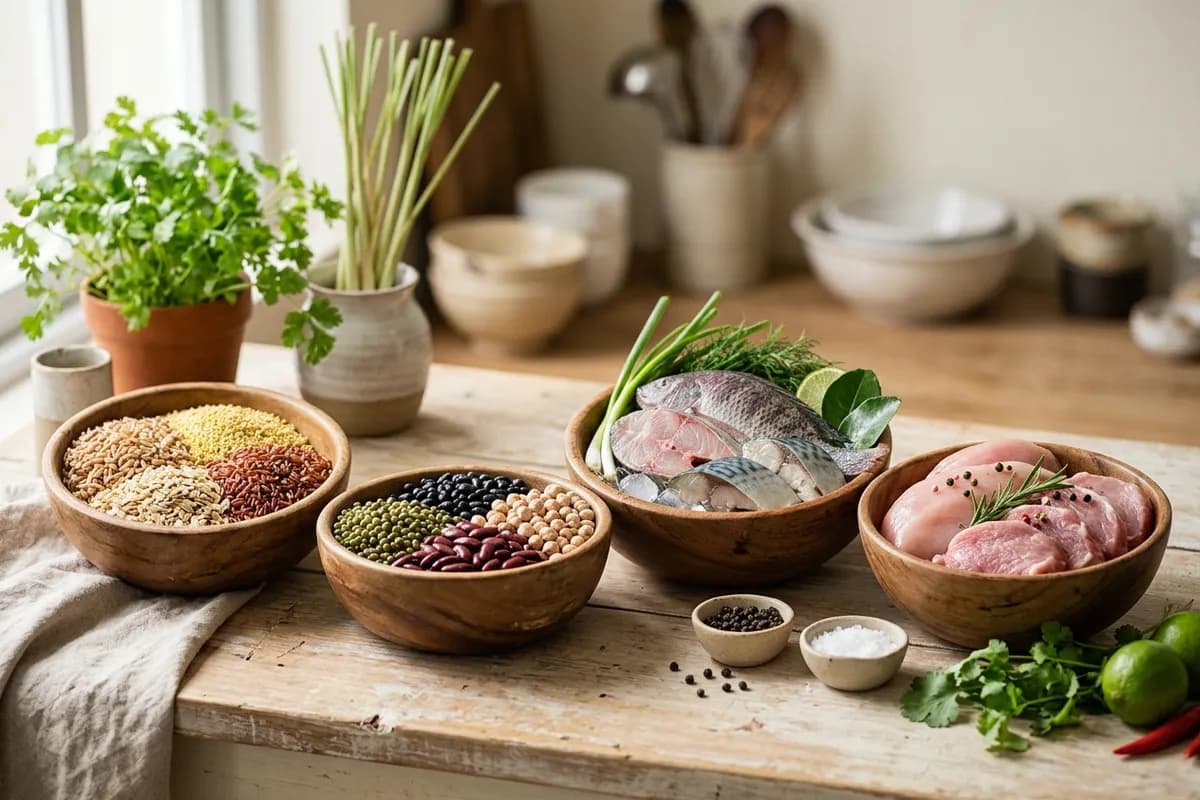
Chọn nhóm thực phẩm
0/4 bài- Ngũ cốc nguyên hạt và ngũ cốc tinh chế khác nhau thế nào?
- Làm thế nào để giảm đầy hơi khi bổ sung đậu vào bữa ăn?
- Làm sao ăn cá nhận đủ dưỡng chất mà không lo nhiễm độc thủy ngân?
- Thịt đỏ và thịt chế biến sẵn: nên ăn thế nào?
Kiểm tra cả khối5 câu tổng hợp từ 4 bài
Bạn đã nắm khối “Chọn nhóm thực phẩm”?
Đọc giải thích và đối chiếu nguồn sau mỗi câu. Câu hỏi tự đánh giá không chấm điểm sức khỏe.
Câu 1/5
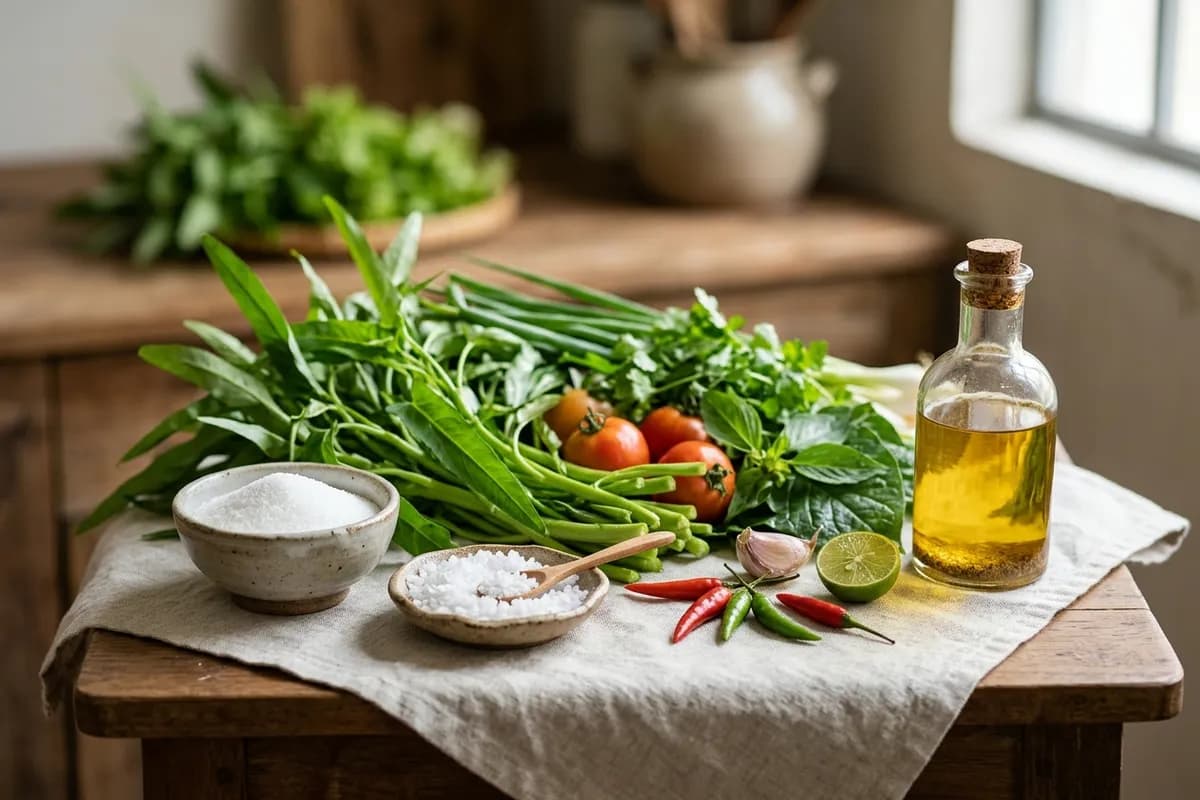
Đường, béo, muối
0/3 bài- Đường có phải kẻ thù? Đường tự do, đường tự nhiên và giới hạn của WHO
- Có nên kiêng hoàn toàn chất béo hay chỉ cần giảm mỡ bão hòa?
- Muối, natri và huyết áp: đọc nhãn và giảm dần trong bữa ăn
Kiểm tra cả khối4 câu tổng hợp từ 3 bài
Bạn đã nắm khối “Đường, béo, muối”?
Đọc giải thích và đối chiếu nguồn sau mỗi câu. Câu hỏi tự đánh giá không chấm điểm sức khỏe.
Câu 1/4

Đồ uống
0/3 bài- Đồ uống trong ngày: nên chọn gì, nên hạn chế gì?
- Caffeine: tác dụng, lượng dùng và lưu ý theo từng người
- Rượu có lợi ích gì không?Cần thận trọng
Kiểm tra cả khối4 câu tổng hợp từ 3 bài
Bạn đã nắm khối “Đồ uống”?
Đọc giải thích và đối chiếu nguồn sau mỗi câu. Câu hỏi tự đánh giá không chấm điểm sức khỏe.
Câu 1/4
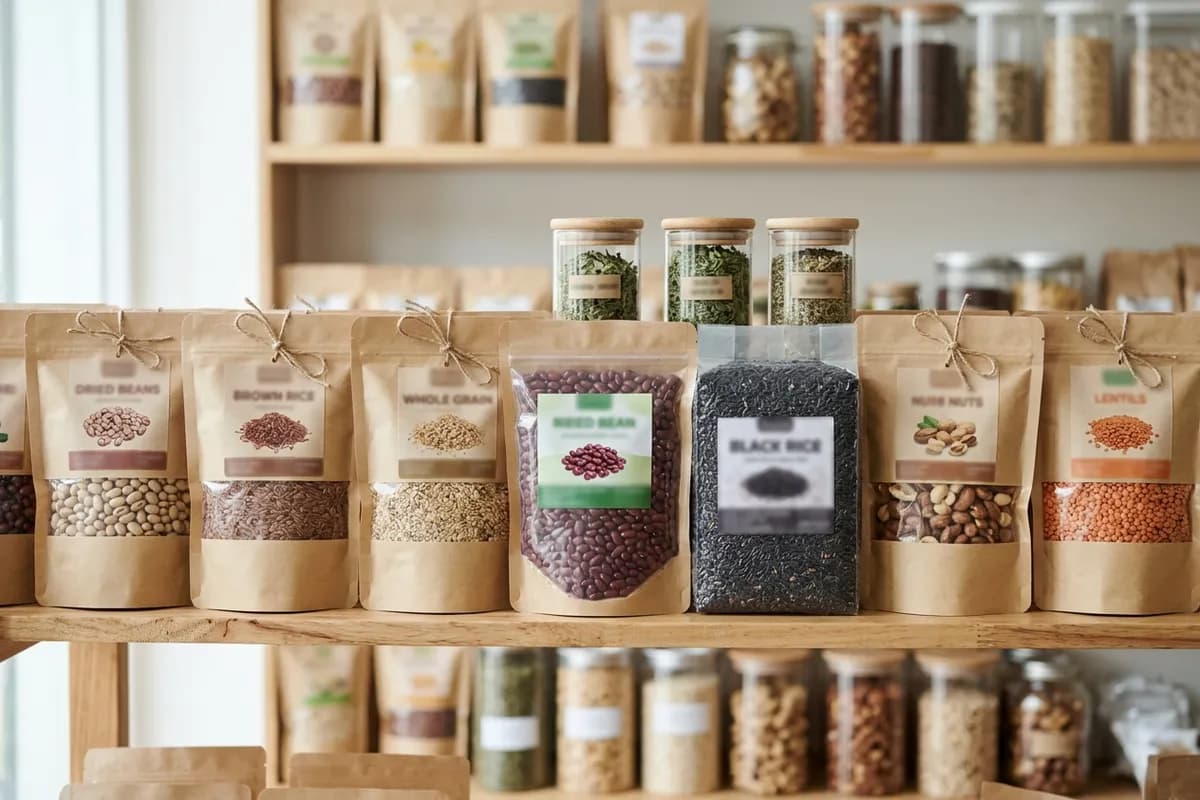
Đọc nhãn và thực phẩm chế biến
0/3 bài- Thực phẩm chế biến sẵn: phân loại NOVA và cách hiểu đúng
- Cách đọc nhãn dinh dưỡng theo quy định mới tại Việt Nam
- “Tự nhiên”, “ít đường”, “không cholesterol”: hiểu đúng chữ quảng cáo trên nhãn
Kiểm tra cả khối4 câu tổng hợp từ 3 bài
Bạn đã nắm khối “Đọc nhãn và thực phẩm chế biến”?
Đọc giải thích và đối chiếu nguồn sau mỗi câu. Câu hỏi tự đánh giá không chấm điểm sức khỏe.
Câu 1/4
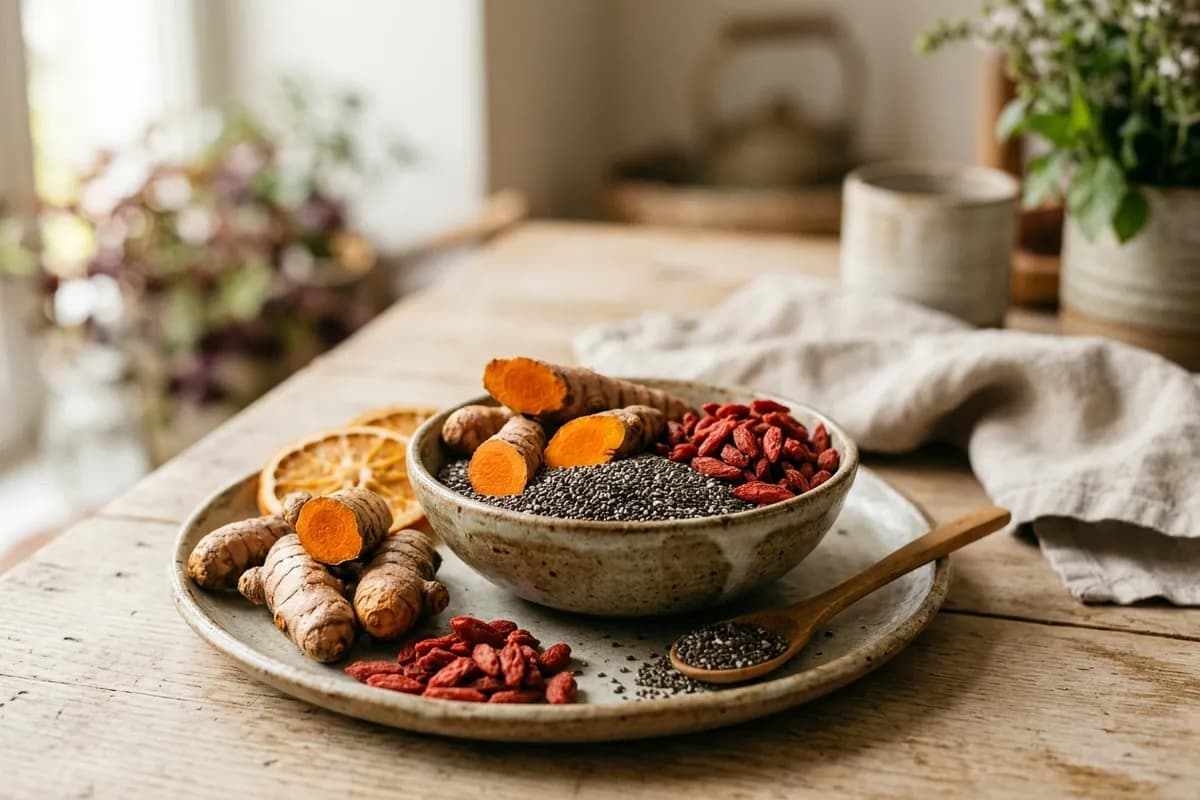
Lời hứa của thực phẩm
0/2 bài- Siêu thực phẩm có thể cứu tôi không?
- Thực phẩm hữu cơ có thực sự bổ dưỡng hơn thực phẩm thông thường?
Kiểm tra cả khối2 câu tổng hợp từ 2 bài
Bạn đã nắm khối “Lời hứa của thực phẩm”?
Đọc giải thích và đối chiếu nguồn sau mỗi câu. Câu hỏi tự đánh giá không chấm điểm sức khỏe.
Câu 1/2
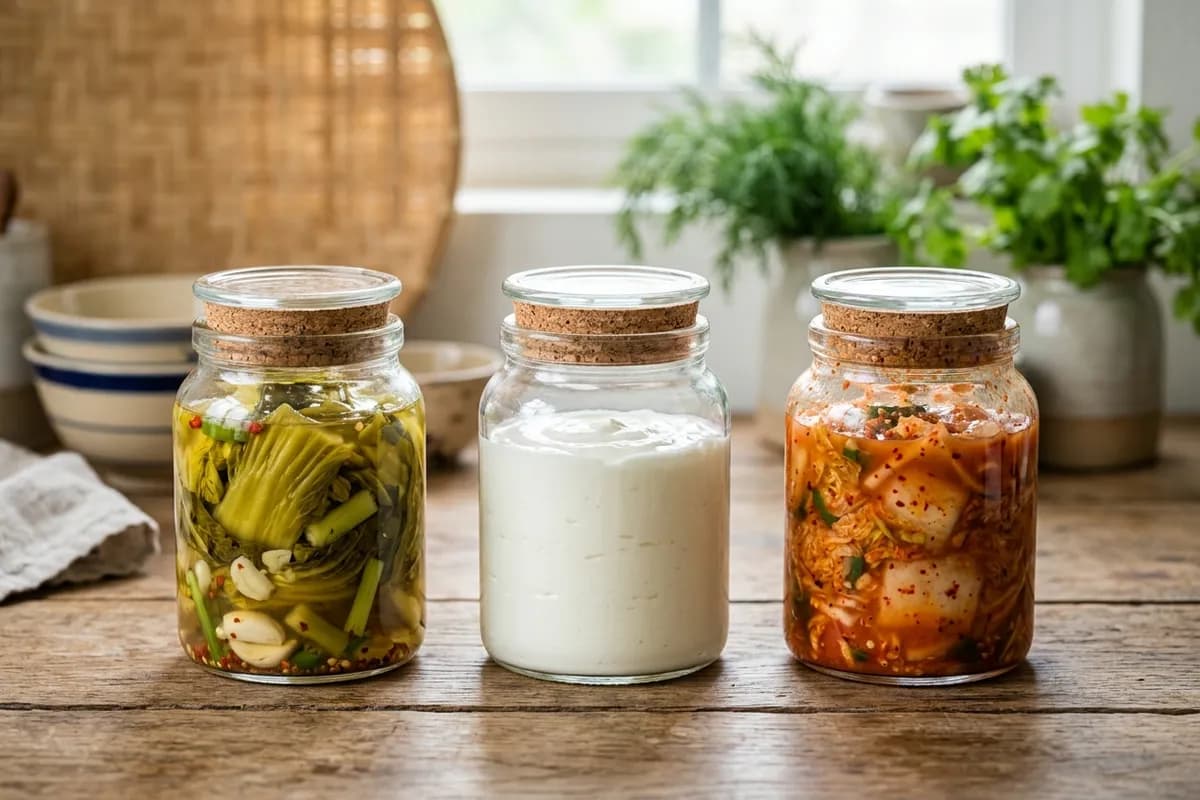
Đường ruột khỏe
0/3 bài- Thế nào là một hệ vi sinh đường ruột khỏe mạnh?
- Chế độ ăn tác động như thế nào đến độ đa dạng của hệ vi sinh đường ruột?
- Prebiotic, probiotic và thực phẩm lên men: định nghĩa và bằng chứng
Kiểm tra cả khối4 câu tổng hợp từ 3 bài
Bạn đã nắm khối “Đường ruột khỏe”?
Đọc giải thích và đối chiếu nguồn sau mỗi câu. Câu hỏi tự đánh giá không chấm điểm sức khỏe.
Câu 1/4
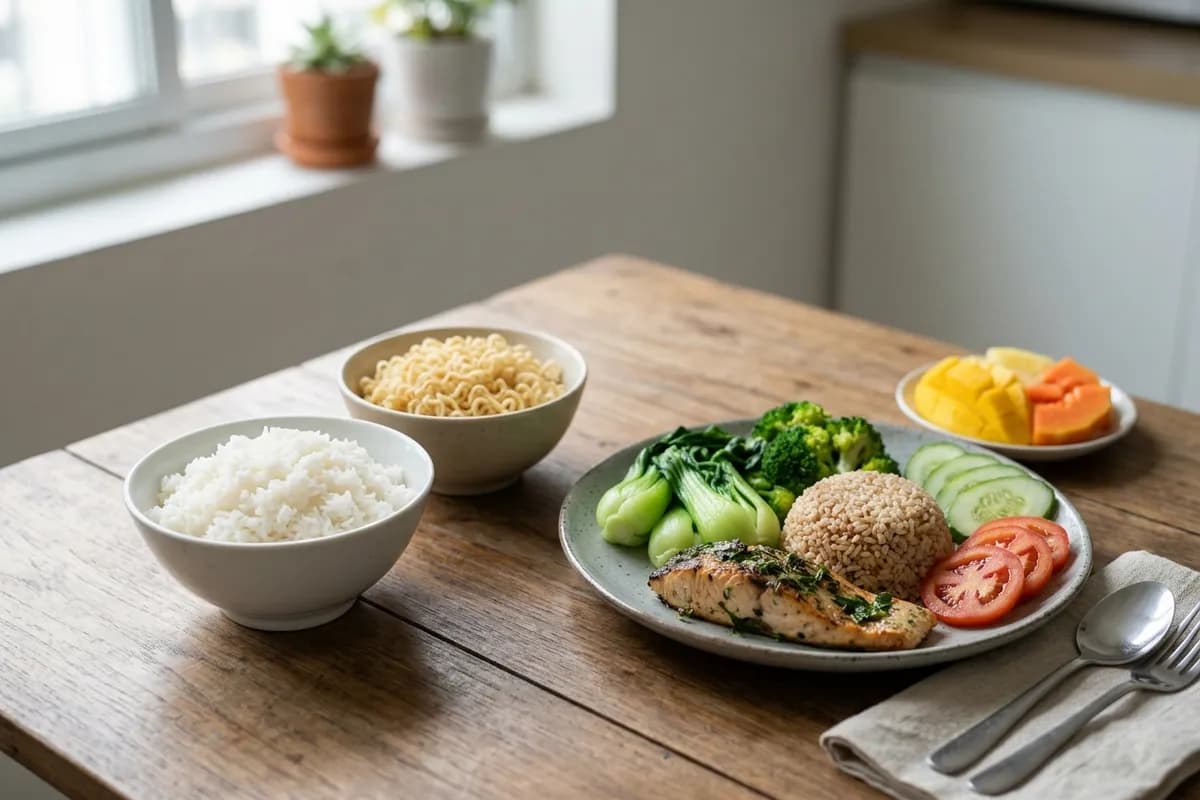
Bữa ăn thiếu chất
0/2 bài- Nhìn một bữa ăn có biết cơ thể thiếu chất hay không?
- Vì sao ăn uống lành mạnh không chỉ phụ thuộc vào ý chí cá nhân?
Kiểm tra cả khối2 câu tổng hợp từ 2 bài
Bạn đã nắm khối “Bữa ăn thiếu chất”?
Đọc giải thích và đối chiếu nguồn sau mỗi câu. Câu hỏi tự đánh giá không chấm điểm sức khỏe.
Câu 1/2

Ăn uống khi tập luyện
0/6 bài- Chế độ ăn của người tập thể thao khác người bình thường thế nào?
- Nên ăn gì và ăn trước khi tập luyện bao lâu để đạt hiệu quả tốt?
- Cửa sổ 45 phút sau tập: Có cần vội vã nạp đạm để giữ cơ?
- Whey, creatine, BCAA, pre-workout: ai cần, rủi roCần thận trọng
- Vì sao tập thể dục nhiều nhưng cân nặng nhanh chóng ngừng giảm?
- Tập cardio, HIIT hay nâng tạ giúp giảm mỡ hiệu quả hơn?
Kiểm tra cả khối7 câu tổng hợp từ 6 bài
Bạn đã nắm khối “Ăn uống khi tập luyện”?
Đọc giải thích và đối chiếu nguồn sau mỗi câu. Câu hỏi tự đánh giá không chấm điểm sức khỏe.
Câu 1/7
Lộ trình mục tiêu đi qua chặng này
Đọc tiếp để ứng dụng
Các bài viết cùng chủ đề giúp bạn đặt kiến thức vào những câu hỏi cụ thể về ăn uống.
Kiểm tra kiến thức chủ đề
10 câu ngẫu nhiên trong 93 câu. Kết quả chỉ lưu trên thiết bị.
Nguồn của quiz tổng kết
- Cancer and Mediterranean Diet: A Review
- Main Dietary Patterns for Healthy Aging and Well-Being.
- Effects of the Mediterranean diet on the components of metabolic syndrome
- American Heart Association: What is the Mediterranean Diet?
- Nordic Council of Ministers: Nordic Nutrition Recommendations 2023
- MAFF: What Is a Balanced Diet? Japanese Food Guide Spinning Top
- WHO: Healthy diet
- Healthy diet, World Health Organization
- Những điểm cập nhật về nhu cầu dinh dưỡng khuyến nghị cho người Việt Nam, Viện Dinh dưỡng
- Five keys to safer food, World Health Organization
- WHO: Healthy diet
- Fish - a source of dietary exposure to iodine and other chemicals.
- Fish faddism causing low-level mercury poisoning in the Caribbean: two case reports
- Seafood, wine, rice, vegetables, and other food items associated with mercury biomarkers among seafood and non-seafood consumers: NHANES 2011-2012
- Perceptions of flatulence from bean consumption among adults in 3 feeding studies
- Perceptions of flatulence from bean consumption among adults in 3 feeding studies
- Impact of Germination on the Protein Solubility and Antinutritive Compounds of Lupinus angustifolius and Vicia faba in the Production of Protein-Rich Legume-Based Beverages.
- Do Refined Grains Have a Place in a Healthy Dietary Pattern?, Expert Panel Consensus
- Grain processing and nutrition, PubMed
- Healthy diet, World Health Organization
- Những điểm cập nhật về nhu cầu dinh dưỡng khuyến nghị cho người Việt Nam, Viện Dinh dưỡng
- USDA Food Buying Guide: Grains
- Meal planning is associated with food variety, diet quality and body weight status in a large sample of French adults
- Dietary quality differs by consumption of meals prepared at home vs. outside in Korean adults
- Meal planning is associated with food variety, diet quality and body weight status in a large sample of French adults
- Measuring health promotion: translating science into policy
- Unveiling the Gut Microbiome: How Junk Food Impacts the Gut.
- What defines a healthy gut microbiome?
- Nourishing the gut: the impact of diet on host-gut microbiota interaction.
- Unraveling the Gut Microbiome-Diet Connection: Exploring the Impact of Digital Precision and Personalized Nutrition on Microbiota Composition and Host Physiology.
- Personalized Diets based on the Gut Microbiome as a Target for Health Maintenance: from Current Evidence to Future Possibilities
- Potential contribution of beneficial microbes to face the COVID-19 pandemic
- ILSI Brazil International Workshop on Functional Foods: a narrative review of the scientific evidence in the area of carbohydrates, microbiome, and health
- Fermented foods: a perspective on their role in delivering biotics.
- ISAPP · Consensus statement on the scope and appropriate use of the term probiotic
- ISAPP · Consensus statement on the definition and scope of prebiotics
- ISAPP · Consensus statement on fermented foods
- NCCIH · Probiotics: Usefulness and Safety
- Những điểm cập nhật về nhu cầu dinh dưỡng khuyến nghị cho người Việt Nam
- Healthy diet
- Malnutrition
- Healthy diet, World Health Organization
- Malnutrition, World Health Organization
- Ultra-Processed Foods: Definitions and Policy Issues
- Food Processing at a Crossroad
- Dietitians' Attitudes and Understanding of the Promotion of Grains, Whole Grains, and Ultra-Processed Foods
- Ultra-Processed Diets Cause Excess Calorie Intake and Weight Gain: An Inpatient Randomized Controlled Trial of Ad Libitum Food Intake
- Ultra-processed foods consumption and health-related outcomes: a systematic review of randomized controlled trials
- Thông tư 30/2026/TT-BYT: Hướng dẫn nội dung, cách ghi thành phần dinh dưỡng, giá trị dinh dưỡng trên nhãn thực phẩm
- How to Understand and Use the Nutrition Facts Label
- Conceptual Models of Food Choice: Influential Factors Related to Foods, Individual Differences, and Society
- Is Better Knowledge about Health Benefits of Dietary Fiber Related to Food Labels Reading Habits? A Croatian Overview
- Who Reads Food Labels? Selected Predictors of Consumer Interest in Front-of-Package and Back-of-Package Labels during and after the Purchase
- Free and Added Sugar Consumption and Adherence to Guidelines: The UK National Diet and Nutrition Survey (2014/15-2015/16)
- The science behind the sweetness in our diets
- Perspective: Total, Added, or Free? What Kind of Sugars Should We Be Talking About?
- Are Seed Oils the Culprit in Cardiometabolic and Chronic Diseases? A Narrative Review.
- Trans fatty acids: a cause for concern?
- Choose a diet that is low in saturated fat and cholesterol and moderate in total fat: subtle changes to a familiar message.
- Carcinogenicity of red and processed meat, World Health Organization
- Iron, NIH Office of Dietary Supplements, Health Professional Fact Sheet
- Human nutrition and blood pressure regulation: an integrated approach.
- An Exploration of Dietary Strategies for Hypertension Management: A Narrative Review.
- Nutritional effects on blood pressure.
- WHO · Sodium reduction
- FDA: Spilling the Beans, How Much Caffeine is Too Much?
- ACOG: How Much Coffee Can I Drink While Pregnant?
- Caffeine for the Sustainment of Mental Task Performance: Formulations for Military Operations
- Alcohol, World Health Organization
- The Basics: Defining How Much Alcohol Is Too Much, NIAAA
- Alcohol and cancer, WHO Regional Office for Europe
- Alcohol Calorie Calculator, NIAAA Rethinking Drinking
- The Basics: Defining How Much Alcohol Is Too Much, NIAAA
- Medical Complications: Common Alcohol-Related Concerns, NIAAA
- Perspective: Are Grapes Worthy of the Moniker Superfood?
- 'Superfoods': Reliability of the Information for Consumers Available on the Web
- Nutritional properties of selected superfood extracts and their potential health benefits
- NCCIH: Turmeric, usefulness and safety
- Human health implications of organic food and organic agriculture: a comprehensive review
- Human health implications of organic food and organic agriculture: a comprehensive review
- Balancing Health and Sustainability: Assessing the Benefits of Plant-Based Diets and the Risk of Pesticide Residues.
- Viện Dinh dưỡng: Nhu cầu dinh dưỡng khuyến nghị cho người Việt Nam, phiên bản 2026
- WHO: Healthy diet
- EFSA: Dietary Reference Values for nutrients, Summary report
- WHO Europe: Staying hydrated in the heat
- Adipokines, Myokines, and Cardiokines: The Role of Nutritional Interventions
- [Nutrition and physical exercise].
- The synergistic effect of physical activity and nutrition to improve the quality of life in breast cancer patients: a systemic review
- Nutrition, Pharmacological and Training Strategies Adopted by Six Bodybuilders: Case Report and Critical Review
- Evidence-based recommendations for natural bodybuilding contest preparation: nutrition and supplementation
- Insights into Pathogenesis, Nutritional and Drug Approach in Sarcopenia: A Systematic Review
- Interaction Between Caffeine and Creatine When Used as Concurrent Ergogenic Supplements: A Systematic Review
- USADA 2026 Clean Sport Handbook
- Pre-Exercise Nutrition: The Role of Macronutrients, Modified Starches and Supplements on Metabolism and Endurance Performance
- International Society of Sports Nutrition Position Stand: protein and exercise
- Nutrient timing revisited: is there a post-exercise anabolic window?
- Nutrient timing revisited: is there a post-exercise anabolic window?
- Nutrient Timing: A Garage Door of Opportunity?
- Pre- versus post-exercise protein intake has similar effects on muscular adaptations
- Why did Bob stop losing weight? We need to talk about energy expenditure compensation.
- Nutritional treatment of obesity.
- Energy availability in athletes.
- Achieving an Optimal Fat Loss Phase in Resistance-Trained Athletes: A Narrative Review
- Physical activity and sedentary behaviour, World Health Organization
- Physical Activity and Your Weight and Health, CDC
- Những điểm cập nhật về nhu cầu dinh dưỡng khuyến nghị cho người Việt Nam, Viện Dinh dưỡng
- High-intensity interval training and cardiorespiratory fitness in adults: An umbrella review, PubMed
- High-intensity interval training for reducing cardiometabolic syndrome in healthy but sedentary populations, Cochrane Review / PubMed
Hành trình của bạn
Bắt đầu từ một câu hỏi bạn tò mò. Tiến độ chỉ lưu trên thiết bị này.